
A historic aviation facility containing a colossal machine that spun RAF pilots through extreme G-force tests could be yours for £750,000.
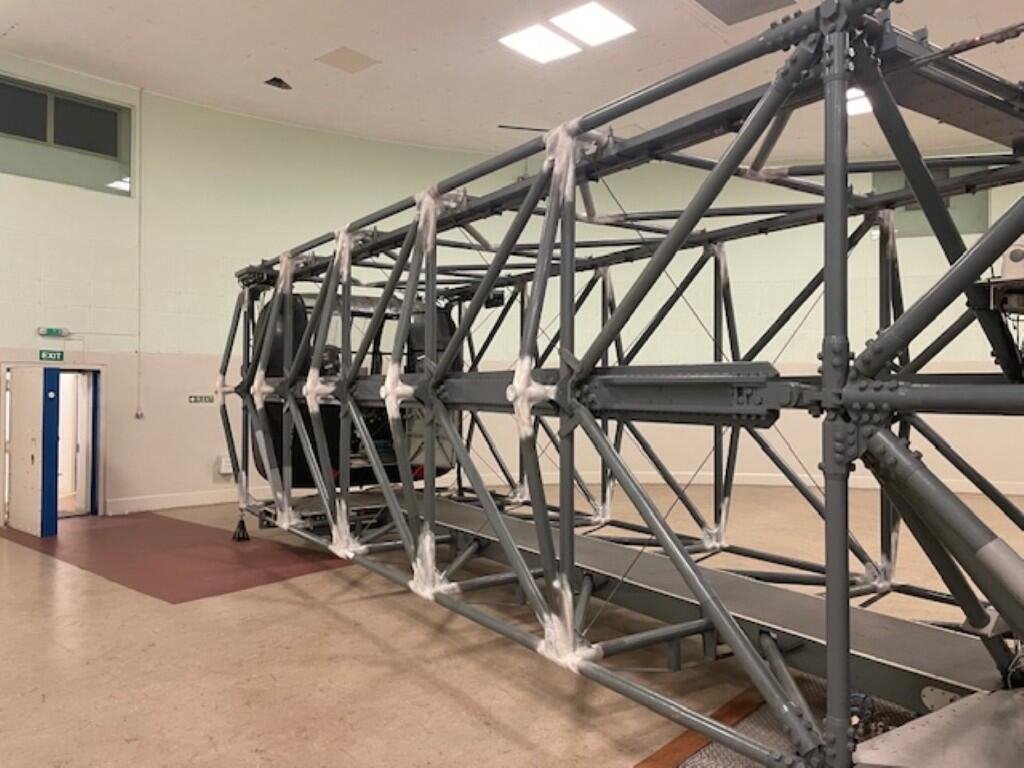
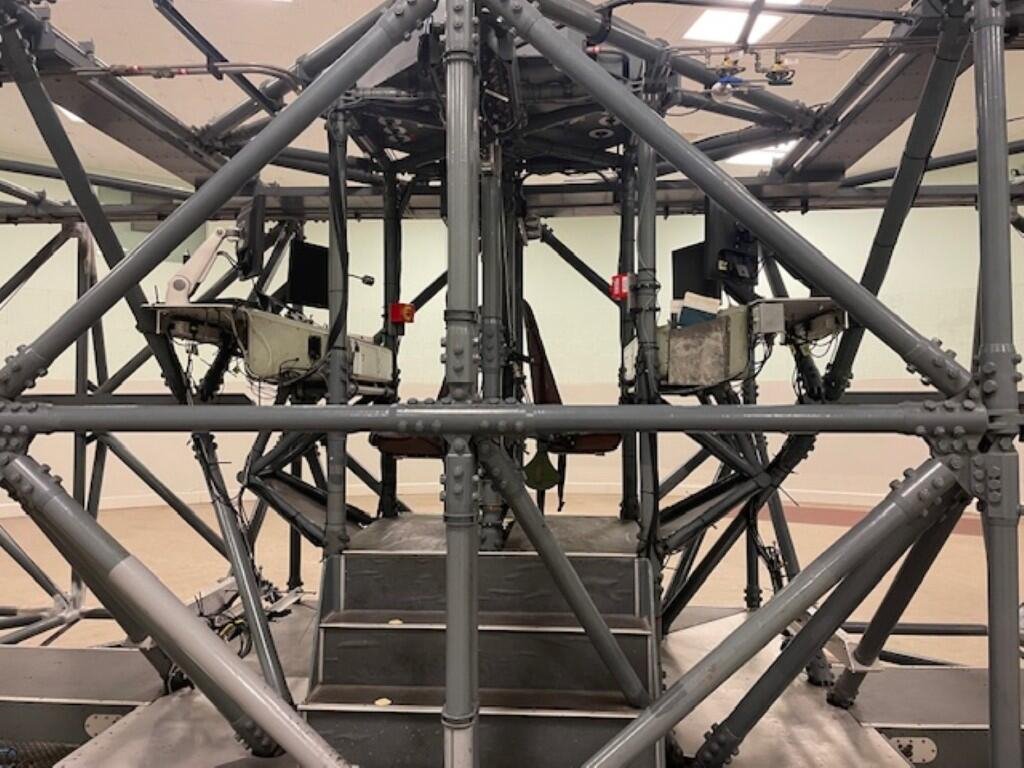
The unusual freehold comes complete with a 19-metre centrifuge once used to investigate how high-speed flight affects the human body.
Its two cockpit-like gondolas carried people around a circular chamber at up to 63mph, subjecting them to forces nine times stronger than gravity.
READ MORE: £220,000 cottage with a see-through loo and bath in the LIVING ROOM
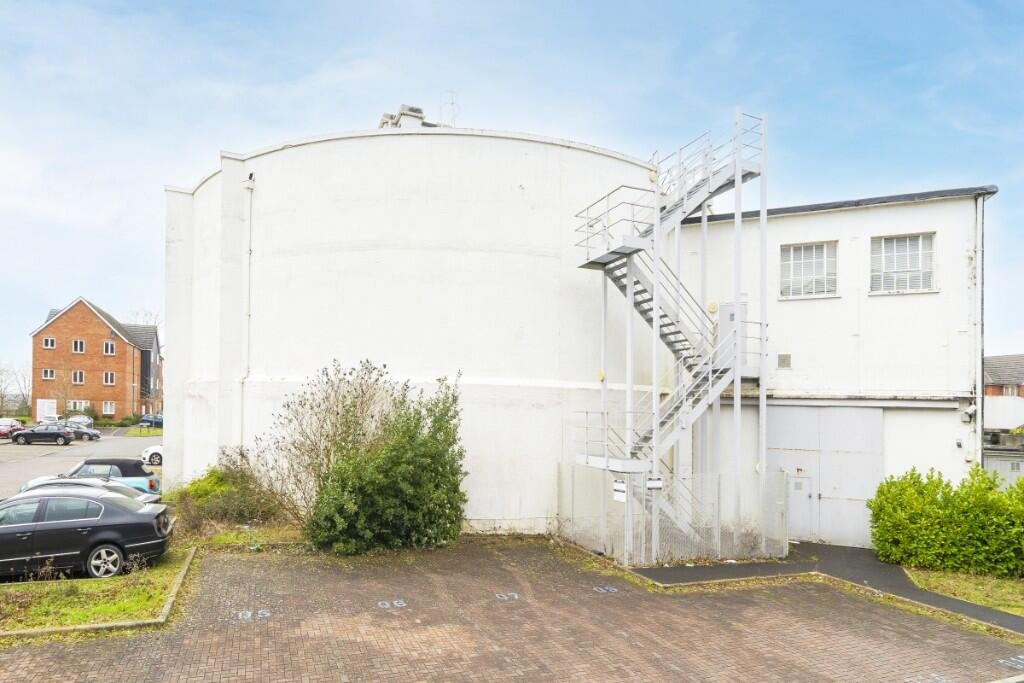
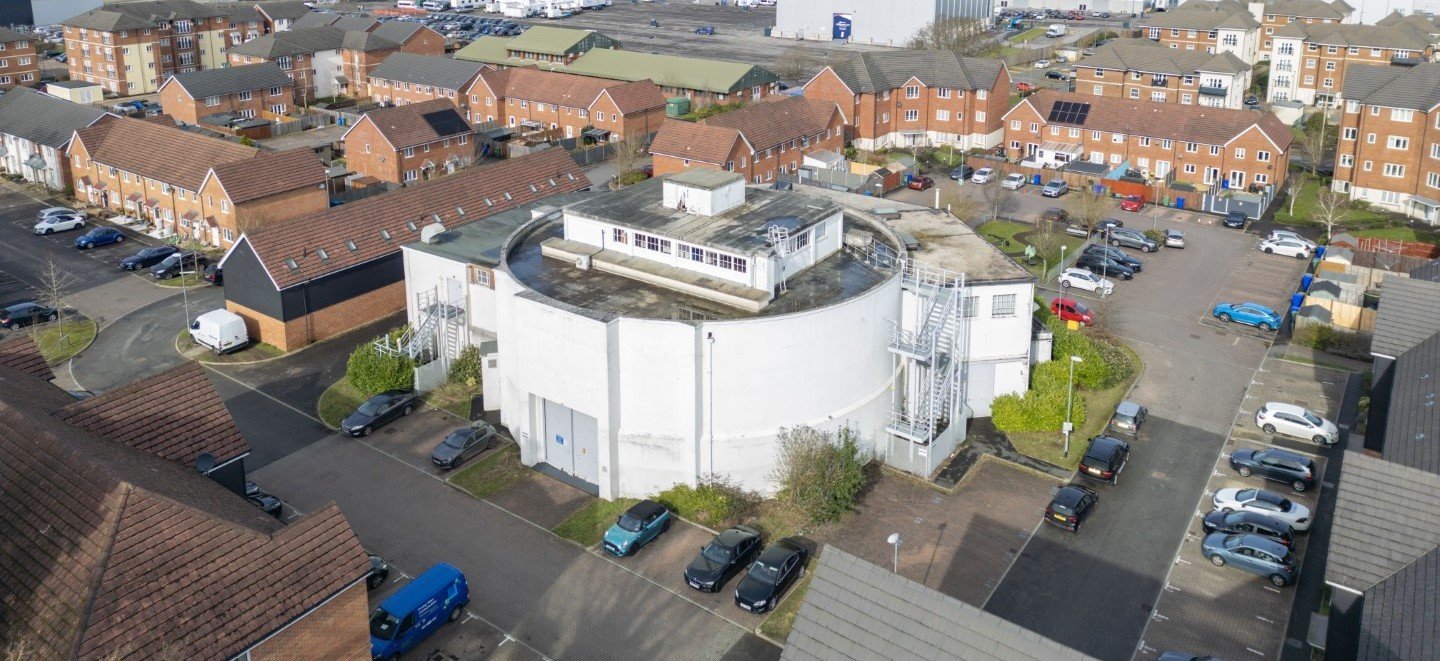
The former RAF Institute of Aviation Medicine facility is in Farnborough, Hampshire – just 115 metres from the town’s airport, as reported by Luxury Property News.
It has been placed on the market by Dexters Development and Investment with a guide price of £750,000.
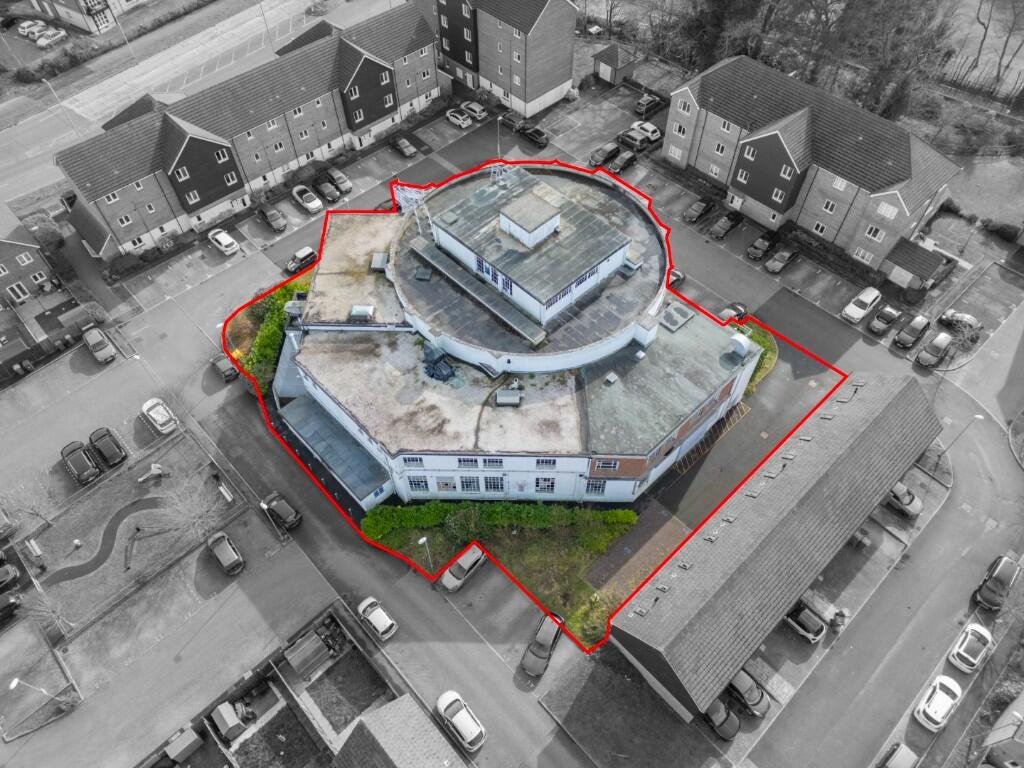
The sprawling site covers around 18,901 sq ft, with the buildings themselves providing approximately 11,202 sq ft of space.
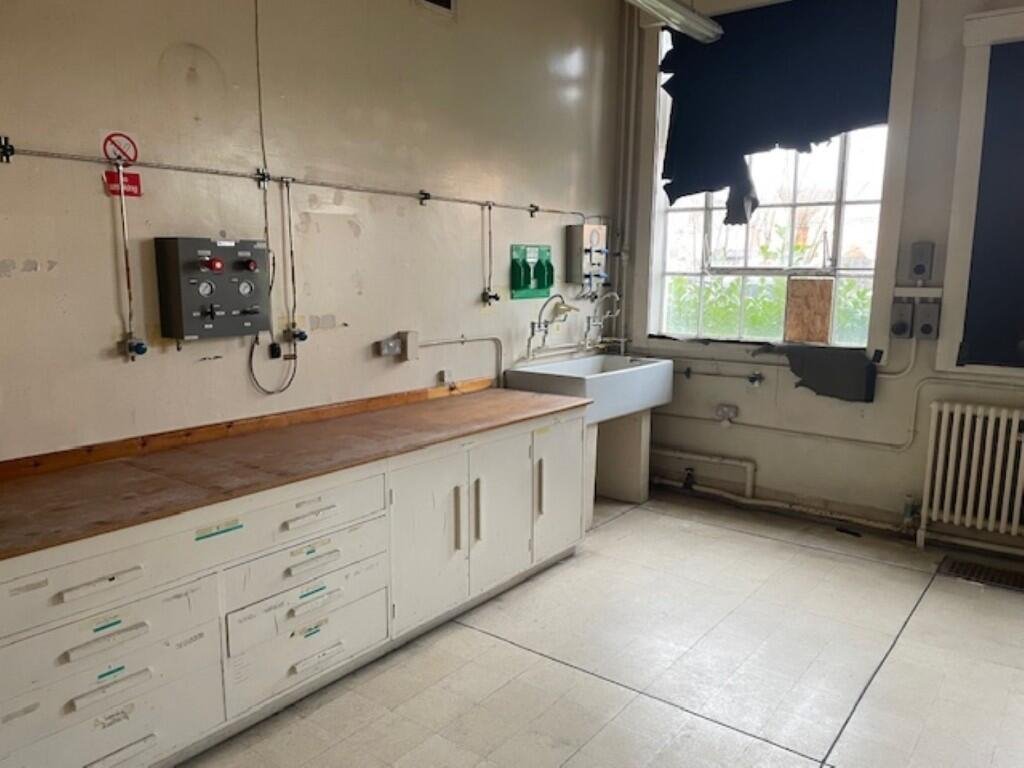
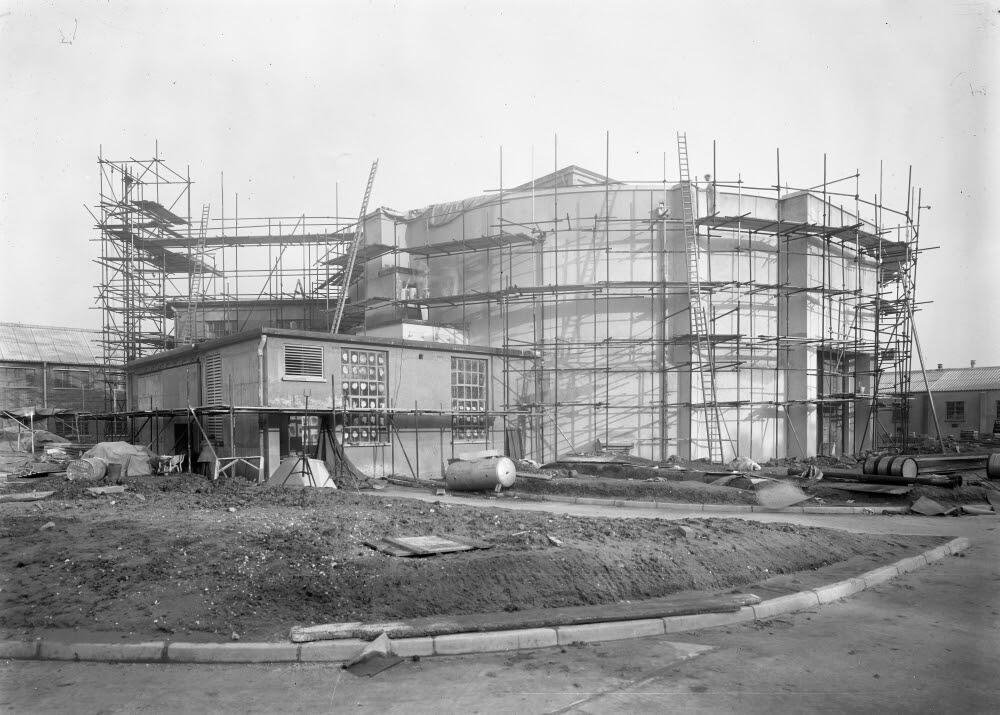
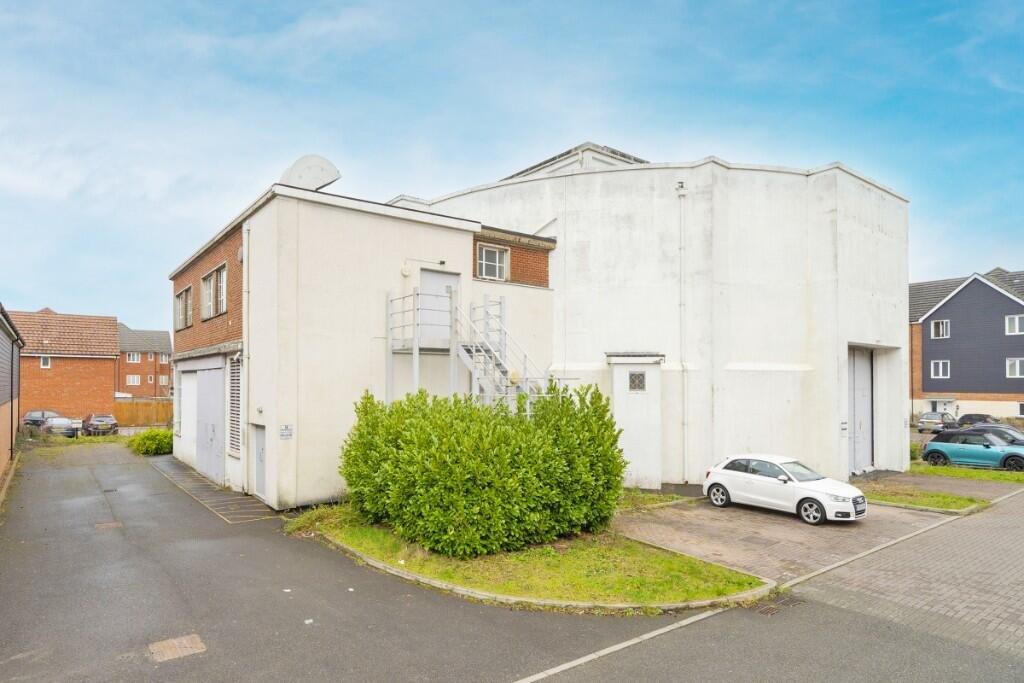
At its heart is the windowless, reinforced-concrete drum containing the centrifuge, with laboratories, offices, workshops and a control room arranged around it.
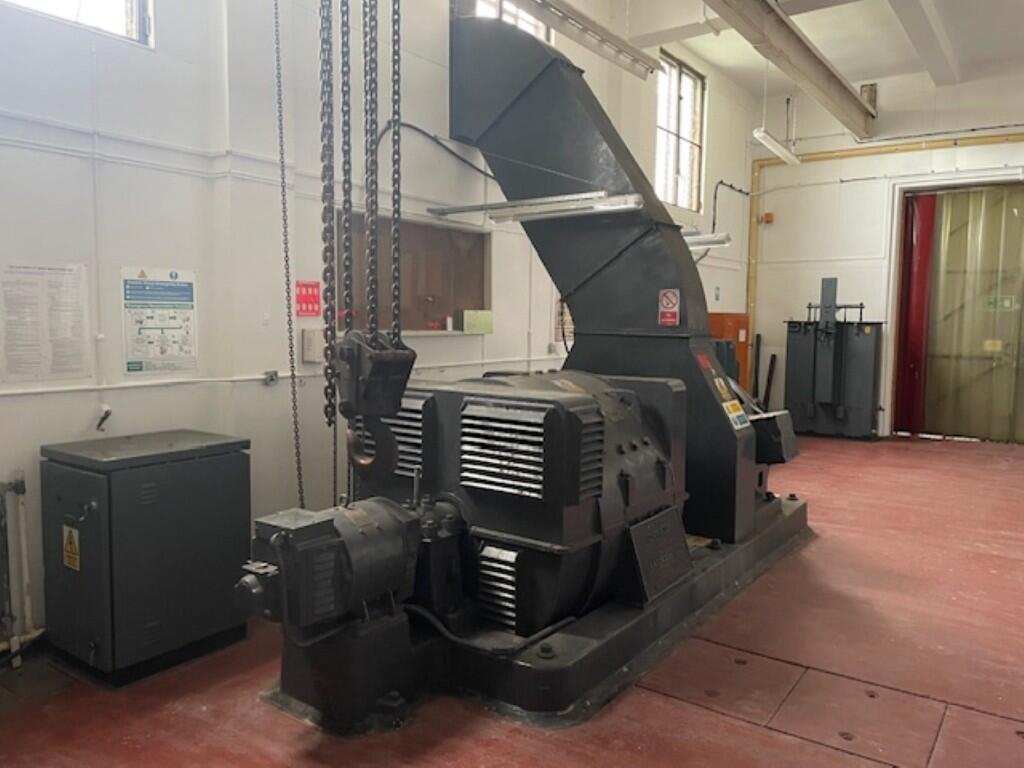
There is also a basement housing the huge drive motor and bearings.
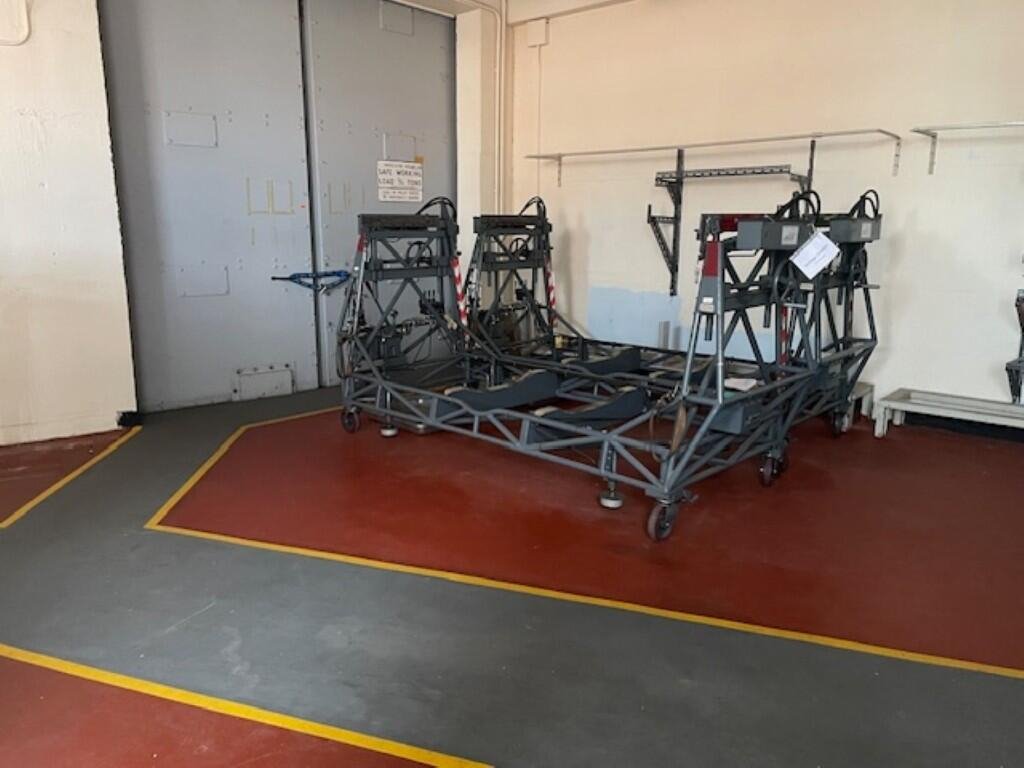
The facility rises to the equivalent of four storeys and still contains much of its original machinery.
It was designed by the Air Ministry after Britain identified a need to understand why pilots could lose their vision or consciousness when exposed to high G-forces.
Construction began in 1951 and the facility officially opened in May 1955.
Its 1,350-horsepower electric motor could spin a combined rotating weight of 40 tonnes, with the machine completing up to 30 revolutions a minute while carrying people.
When operated without anyone aboard, it could reach 30G and send its gondolas hurtling around at 115mph.
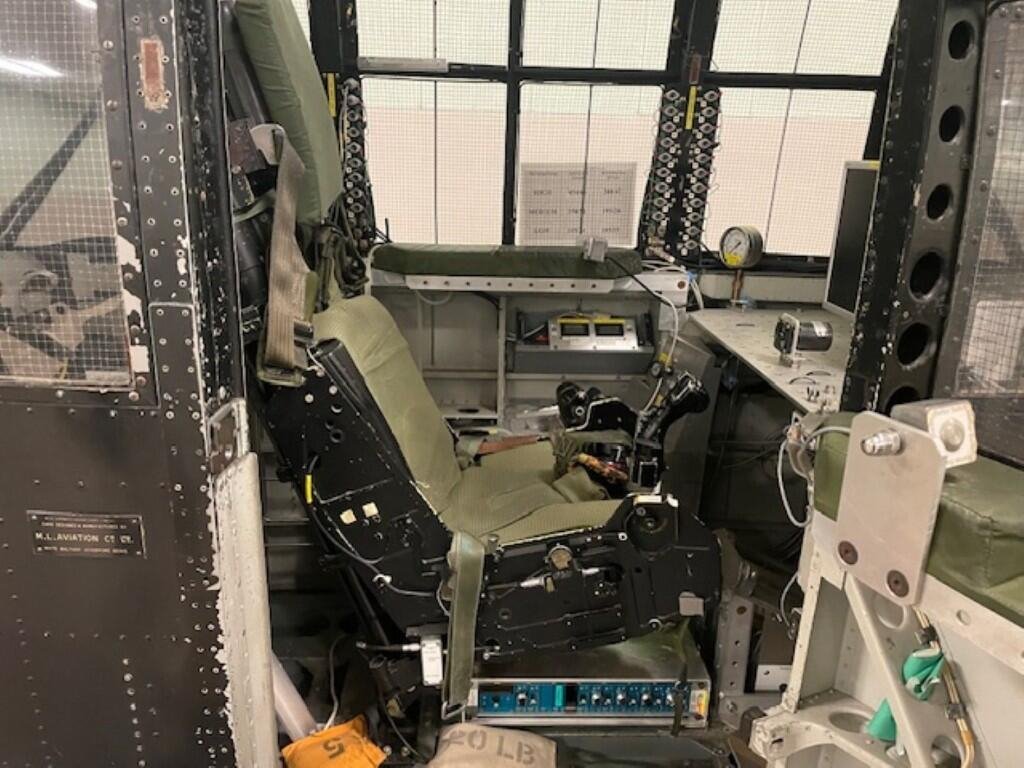
The centrifuge helped researchers develop protection against G-induced loss of consciousness, including specialist anti-G clothing and breathing systems later used in modern combat aircraft.
It also played a role in Britain’s space history.
Helen Sharman, the first Briton to travel into space, underwent a centrifuge test there during her selection process.
The machine completed 122,133 runs during its 64 years in service before making its final spin on 4 March 2019.
It received an Engineering Heritage Award in 2022 and Historic England describes it as one of the world’s oldest person-carrying centrifuges surviving in near-original form.
The building was first listed at Grade II in 2007 before being upgraded to Grade II* in April 2026 in recognition of its exceptional historic importance.
Historic England said the centrifuge retains its arm, control room, plant room and motor pit in a near-original state.
The organisation also praised its contribution to international developments in aviation medicine, defence and space research.
READ MORE: Castle with turret bedroom and stained-glass windows on sale for £1.5m